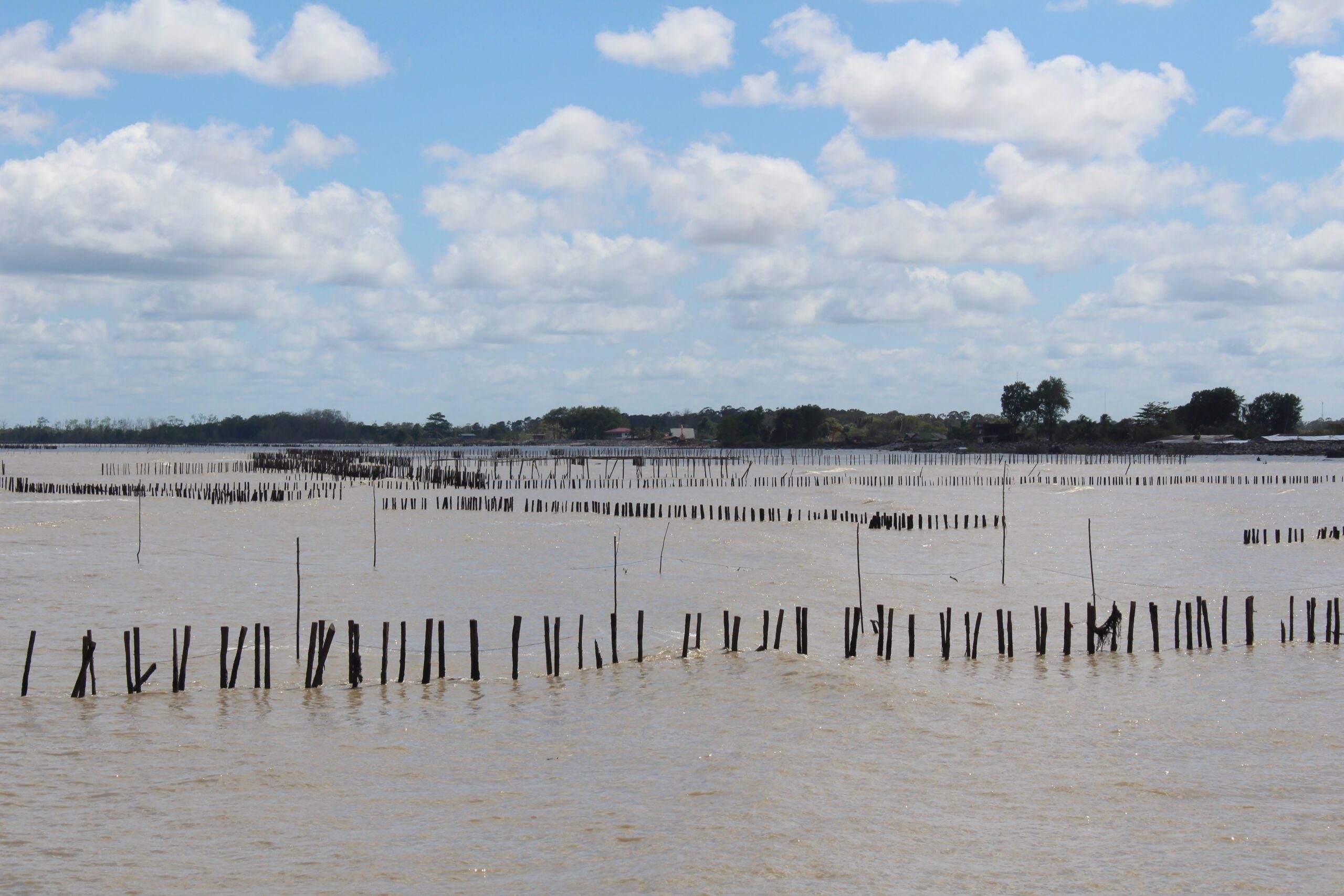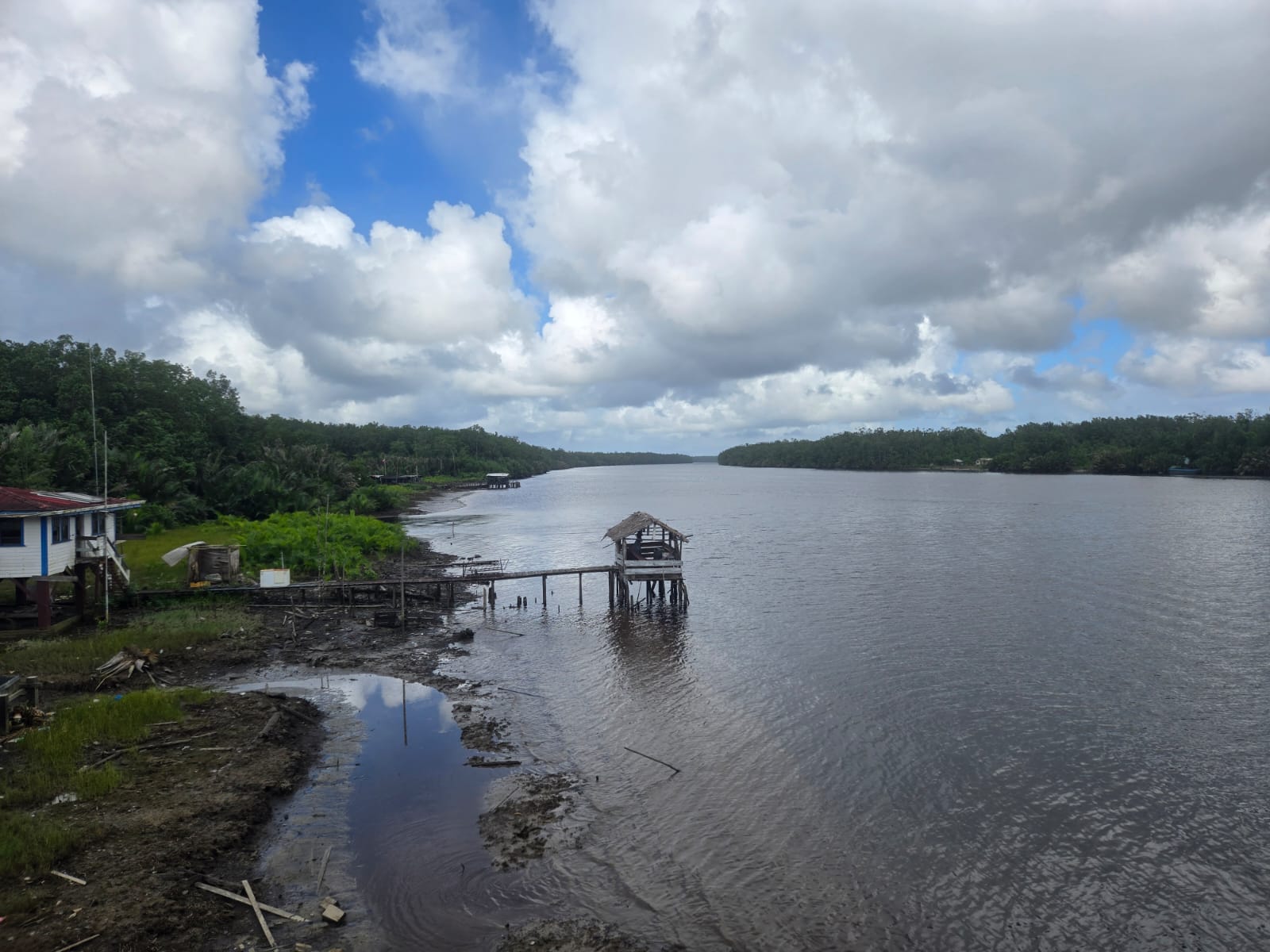
Remnants of Sediment Trapping Units (STUs) at Weg naar Zee, showing how earlier nature-based efforts to capture mud and rebuild the coastline have deteriorated over time

Battling the Waves at Weg Naar Zee

At the northwestern edge of Suriname’s capital, Paramaribo, the Atlantic Ocean relentlessly batters the shoreline. Here lies Weg naar Zee – literally “Road to the Sea” – long regarded as one of the country’s most vulnerable coastal zones. According to demographic data from the Central Bureau for Civil Affairs, the area had 14,047 registered residents with Surinamese nationality in 2024, placing thousands of people directly in the path of advancing tides. Standing in the heart of this fragile territory, it becomes clear that the question is no longer whether the sea will advance, but at what rate. The backyard of farmer Soerinderpersad Ganpat once dipped and swelled like an improvised battlefield, crossed by a clay ridge meant to hold back the sea.


Two Weeks Later, Relentless Resilience Amidst Hurricane Melissa’s Aftermath

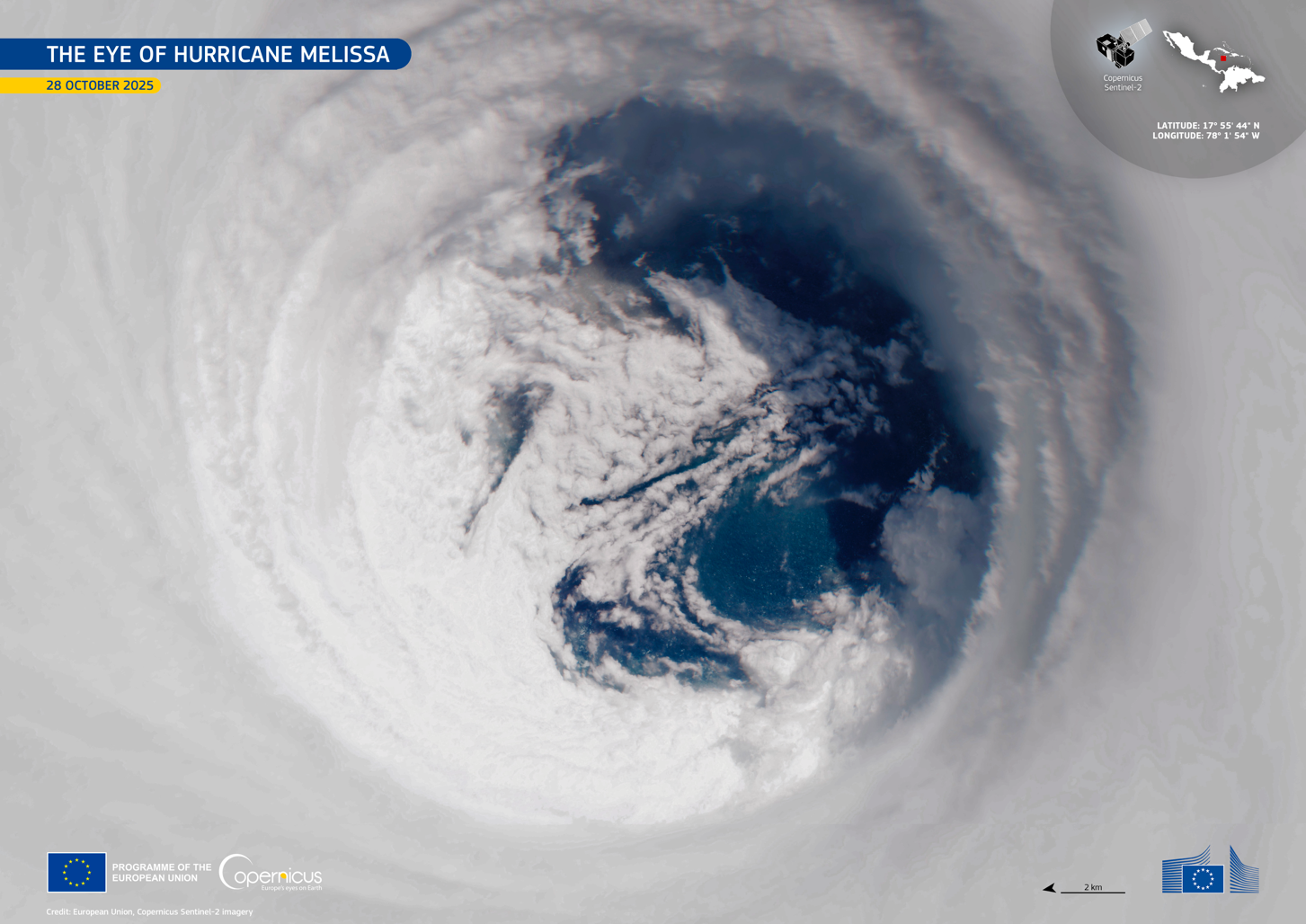
As the sun rises each morning over the battered coasts and battered communities, the scars left by Hurricane Melissa are everywhere. For miles all that can be seen are toppled power lines, damaged homes, and families struggling to regain a sense of normalcy. Yet, across the most-affected regions, a story of remarkable resilience and determination is unfolding. Hurricane Melissa struck Jamaica on October 28, 2025, as a Category 5 storm and it left a trail of destruction across vast stretches of the island, plunging entire communities into darkness and disrupting lives overnight. Torrential rains and hurricane-force winds devastated critical infrastructure and forced emergency officials into round-the-clock action.


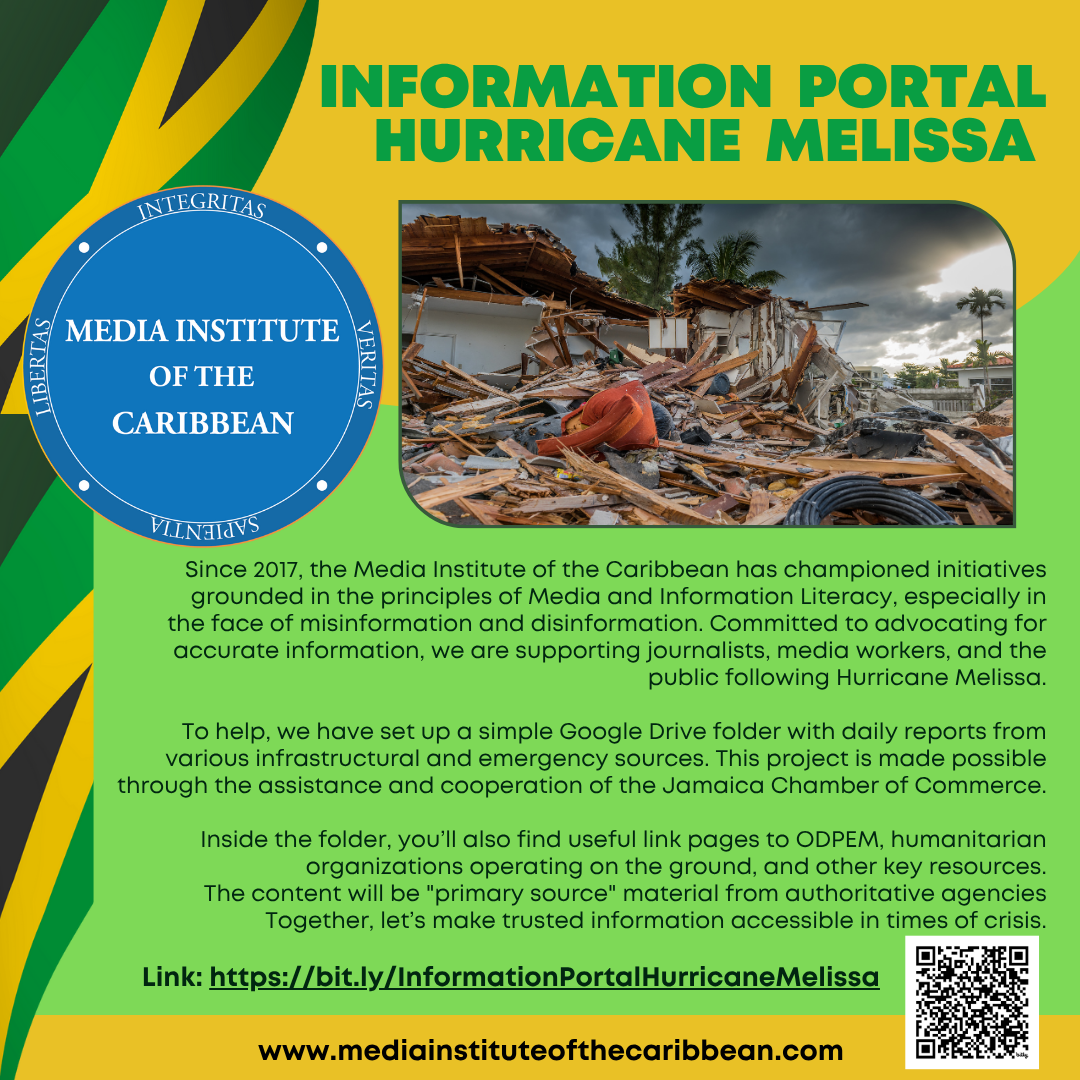
Information Portal Hurricane Melissa

Since 2017, the Media Institute of the Caribbean has championed initiatives grounded in the principles of Media and Information Literacy, especially in the face of misinformation and disinformation. Committed to advocating for accurate information, we are supporting journalists, media workers, and the public following Hurricane Melissa. To help, we have set up a simple Google Drive folder with daily reports from various infrastructural and emergency sources. This project is made possible through the assistance and cooperation of the Jamaica Chamber of Commerce. Inside the folder, you’ll also find useful link pages to ODPEM, humanitarian organizations operating on the ground, and other key resources.


Tricked into Sex Slavery: Global Crackdown hasn’t Stopped Caribbean Traffickers

Talia was struggling to make ends meet as a bartender in Santiago, Cuba, when a friend told her about a lucrative job opportunity in Suriname. The 26-year-old mother — who asked to be identified by a pseudonym to protect her privacy — had never heard of the Dutch-speaking country nearly 2,000 miles away. But the promise of a job that would help her provide for her family was too much to ignore. Santiago is Cuba’s second largest city and the home of Bacardi rum, but Talia said it offered few prospects for her: Wages there are low, and many people live without consistent running water or electricity. Talia was living in Santiago, Cuba (above), when she was offered a lucrative job in Suriname.


Climate and Health – Caribbean Perspectives

As the world monitors the global thermometer, 1.5 to stay alive is more crucial than ever. There is a direct correlation between climate and health which is escalating. Extreme weather events, vector-borne diseases, respiratory illnesses and concerns around food and water security are issues which are looming over us as we witness a transforming environment. There is a need for a close examination of climate and its impact on health as there is need for mitigation and adaptation.

This series explores some of the experiences across the Caribbean and illustrates the need for cross border collaboration and cooperation towards solutions


Climate-Proofing Education: How Antigua & Barbuda is Tackling Rising Temperatures

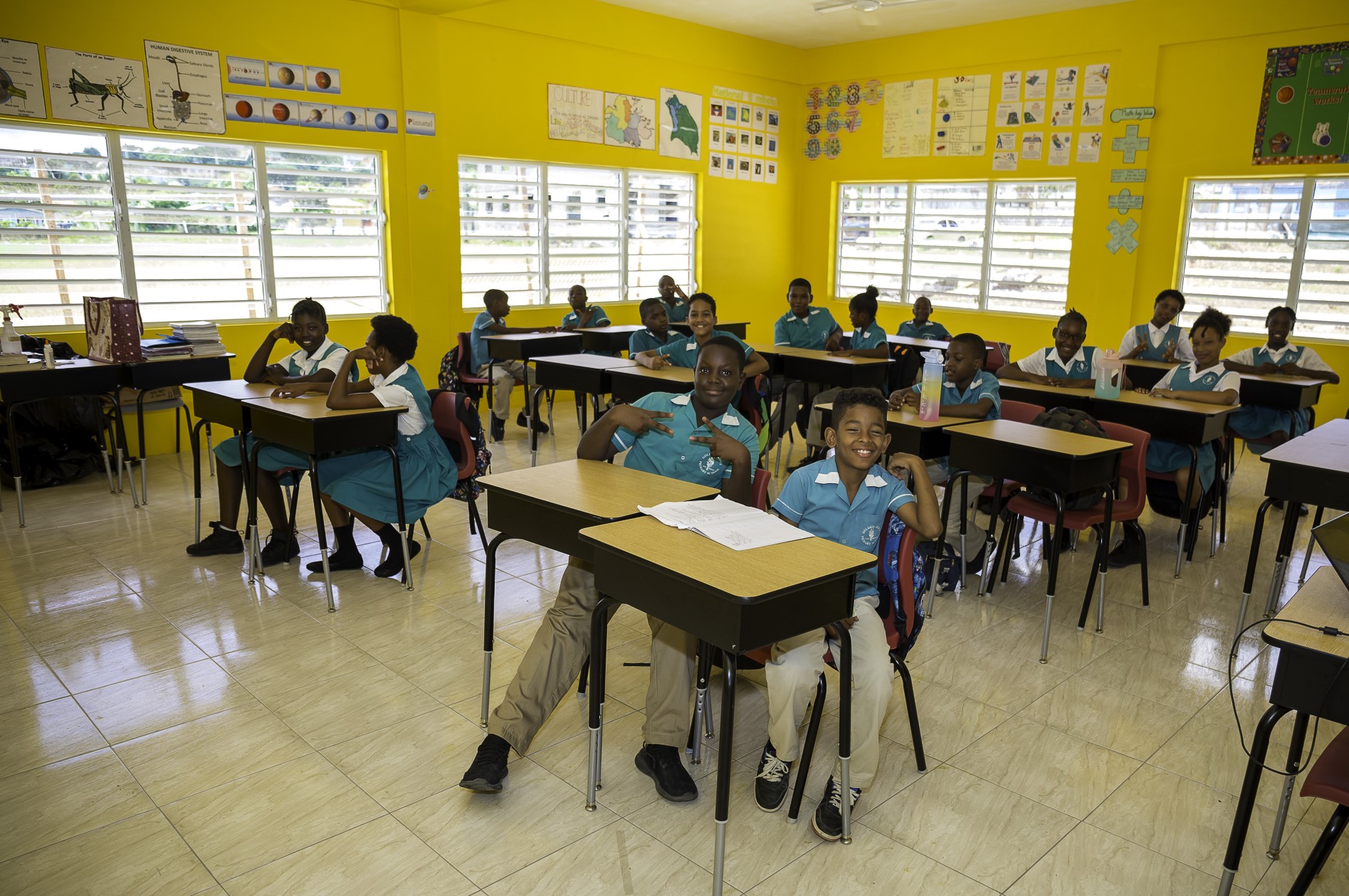
Thousands of students who have headed back to school in Antigua and Barbuda since September, are being impacted by severe heat as global temperatures continue to rise. The heat is putting young learners in an environment that is not only uncomfortable but it affects the quality of education they receive. If they cannot stay focused, they’re not getting that information that is communicated. It affects their ability to perhaps even recall or even do the exams sufficiently because the body is already under pressure to get rid of that heat.Climatologist, Orvin Paige

Our research found that the heat is not uniformed all across Antigua and Barbuda. Orange Valley and Five Islands tend to record the highest temperatures, creating additional challenges for students in these areas, while Freetown experiences comparatively milder conditions.


On a High

It’s a sacrament. It’s sacred. It’s how we communicate with our ancestors. Genesis 1:29 says the earth brought forth grass and herb-bearing seed, and the Lord saw that it was good. I don’t see how men could see that it is not,” said Ras I’an, a Rastafarian Priest. 

He drapes a hand-crochet prayer scarf, clutches a Rastafarian flag bearing the lion of Judah and enters the Mount Carmel Tabernacle, tucked in the Barbadian parish of St. John. 

This Tabernacle is different. It has no doors or windows, and the floor is the land.


The Caribbean’s War on Guns

Criminal violence, employing a wide variety of firearms, has emerged as a singularly important challenge for countries of the Caribbean Community (CARICOM) in the modern era.

Through this series of articles by correspondents in Barbados, Grenada, Guyana, Jamaica, and Trinidad and Tobago, readers can acquire a basic understanding of the multi-faceted nature of the phenomenon of gun violence in the Caribbean.


Geothermal Energy: A Possibility or A Wasted Venture

A Viable Solution For Economic And Energy Sustainability In Dominica

Measuring 46 kilometres in length, the Caribbean Nation of Dominica is a volcanic island with nine dormant volcanoes, mountain streams, rivers, waterfalls, densely forested areas, large geothermal reservoirs, and a population of about 72,000. Dominica is optimistically exploring geothermal energy and constructing a 10 MW geothermal power plant by the beginning of the year 2025. However, some residents of Roseau Valley and Laudat have expressed safety concerns regarding the geothermal project’s impact on the island’s volcanic activity. They are concerned about the damage to tourist attractions in the Roseau Valley. Residents say they are also not clear about the status of an Environmental Social Impact Assessment (ESIA) Technical Study submitted to the Physical Planning Division for approval.


St Kitts and Nevis – Ripening Plans in the Agriculture Sector – Facing Food Security Challenges

Farmers in St. Kitts and Nevis are losing out on more than USD $66 Million (EC$180m) in revenue annually due to their limited knowledge and skills as entrepreneurs within the agriculture sector and it is driving up the food import bill. The dependency on imported foods to St. Kitts and Nevis – with a population of 53,000 – cost the country more than USD $74million last year. The time has come for farmers and vendors alike to be more business-orientated to ensure that they capitalize on the benefits to lower the import bill.