Two Weeks Later, Relentless Resilience Amidst Hurricane Melissa’s Aftermath

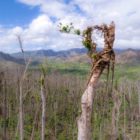
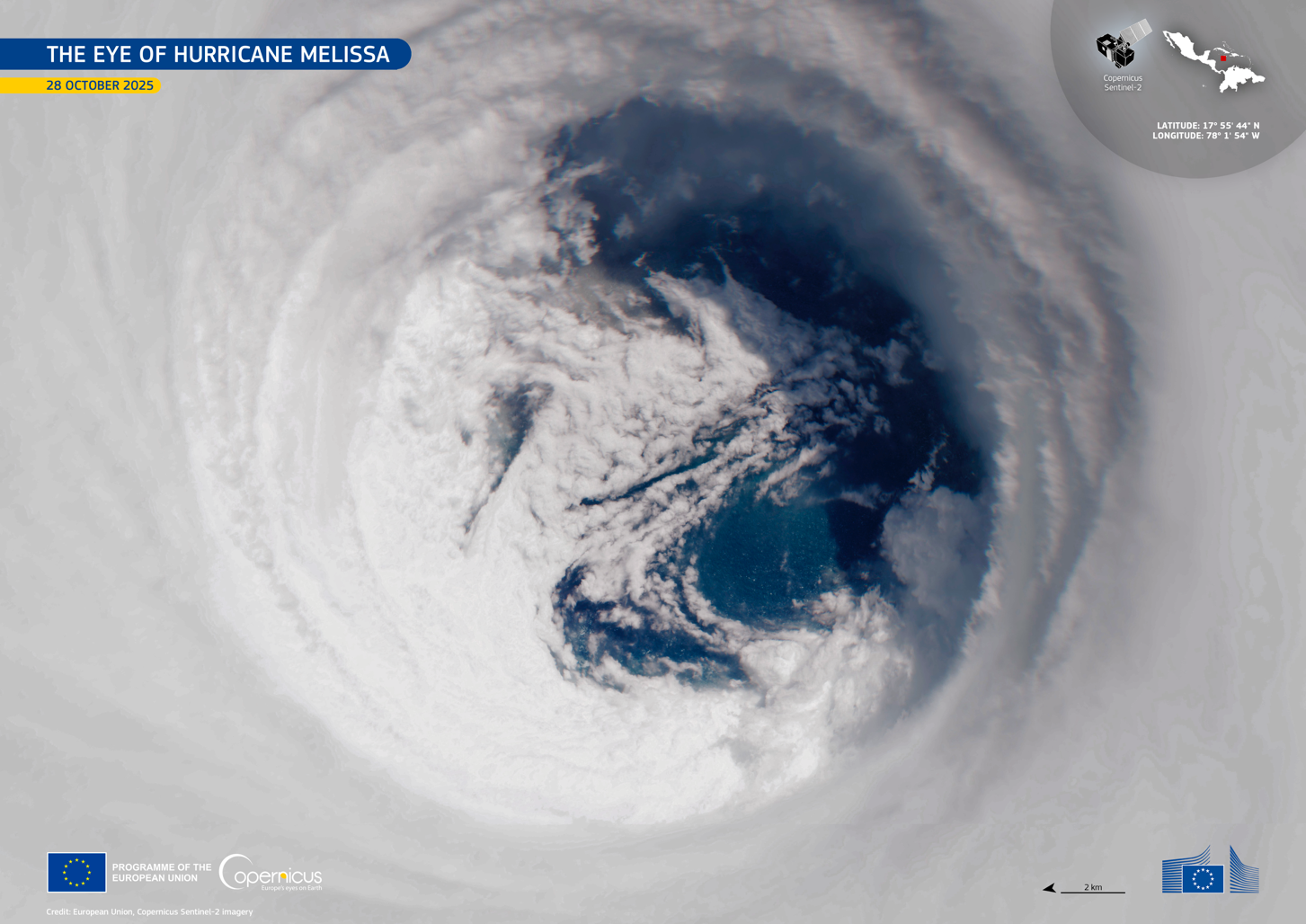
As the sun rises each morning over the battered coasts and battered communities, the scars left by Hurricane Melissa are everywhere. For miles all that can be seen are toppled power lines, damaged homes, and families struggling to regain a sense of normalcy. Yet, across the most-affected regions, a story of remarkable resilience and determination is unfolding. Hurricane Melissa struck Jamaica on October 28, 2025, as a Category 5 storm and it left a trail of destruction across vast stretches of the island, plunging entire communities into darkness and disrupting lives overnight. Torrential rains and hurricane-force winds devastated critical infrastructure and forced emergency officials into round-the-clock action.
Information Portal Hurricane Melissa

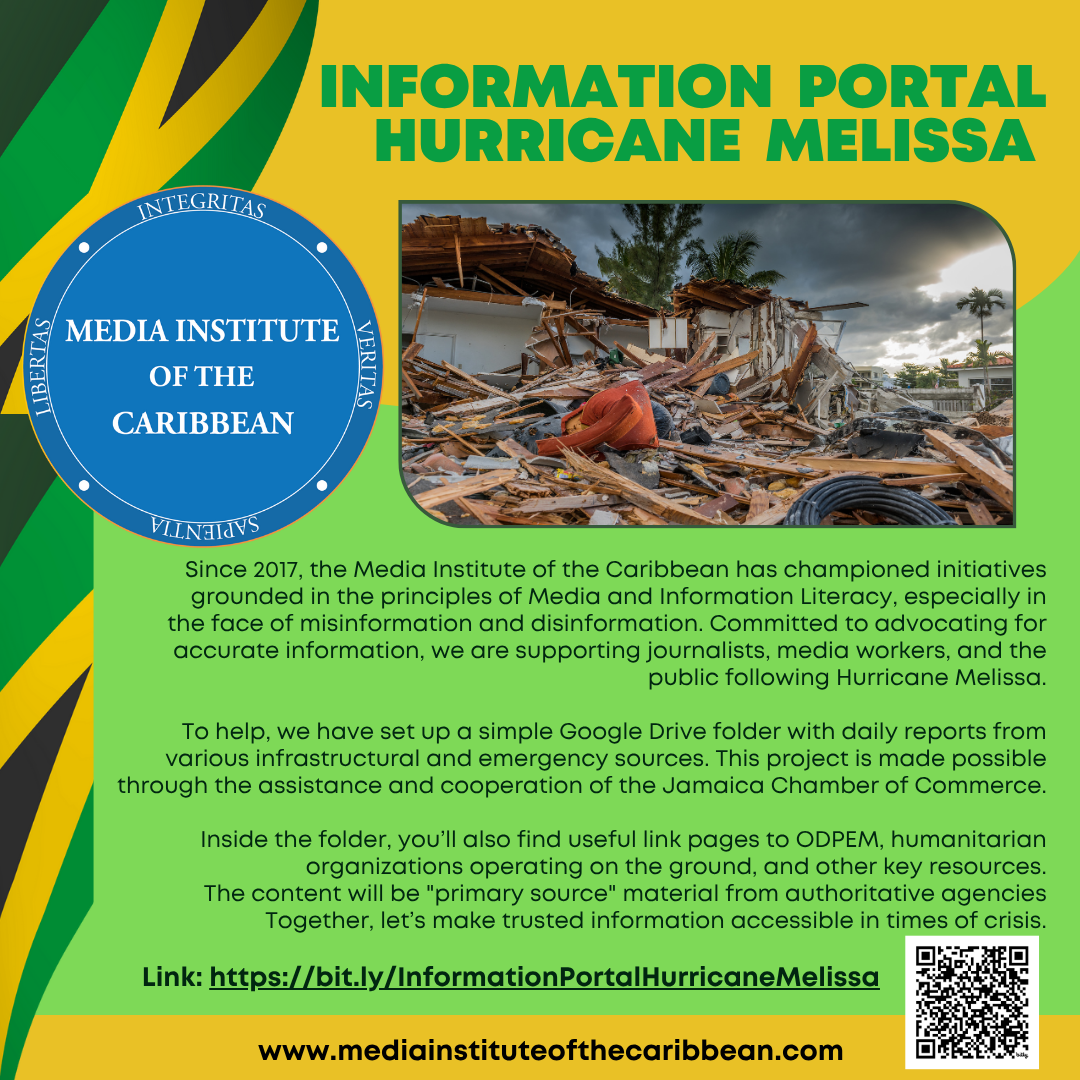
Since 2017, the Media Institute of the Caribbean has championed initiatives grounded in the principles of Media and Information Literacy, especially in the face of misinformation and disinformation. Committed to advocating for accurate information, we are supporting journalists, media workers, and the public following Hurricane Melissa. To help, we have set up a simple Google Drive folder with daily reports from various infrastructural and emergency sources. This project is made possible through the assistance and cooperation of the Jamaica Chamber of Commerce. Inside the folder, you’ll also find useful link pages to ODPEM, humanitarian organizations operating on the ground, and other key resources.


Mounting Challenges to Caribbean Fisheries

There are mixed official and industry messages in a selection of Caribbean countries, but CIJN investigations have unearthed, at minimum, signs that the regional fisheries sector is currently confronting a variety of potentially disastrous challenges – both natural and human. Over recent months, our team – comprising correspondents in Antigua and Barbuda, Barbados, Belize, St Vincent and the Grenadines, and Trinidad and Tobago – has scanned the regional seascape in search of data-supported evidence of a growing claim of perilous times ahead for the industry. In most instances, there has been a notable absence of available indigenous, official, statistics and an apparent unwillingness by authorities to publicly engage negative speculation regarding the fate of the fisheries sector. There have also been mixed verdicts from key stakeholders including fisherfolk and others involved in the value chain.


The Venezuelans of Chaguanas

The town of Chaguanas in Central Trinidad has long been a bustling centre for the conduct of business, commerce, sport and leisure. Since achievement of borough status in 1990, It has grown in stature for its contributions to national life and is home to over 84,000 burgesses.

In recent years, Chaguanas has also become home to a high number of Venezuelan migrants, refugees, and asylum-seekers who now contribute to the key activities that set Chaguanas apart as a unique place to live, work, and play.

In this series of articles, with support from UNHCR, the UN Refugee Agency, CIJN journalists explore the contributions of this relatively new group of residents in the areas of business and commerce and music and sport. We also examine some of the initial and lingering settlement challenges.


Climate and Health – Caribbean Perspectives

As the world monitors the global thermometer, 1.5 to stay alive is more crucial than ever. There is a direct correlation between climate and health which is escalating. Extreme weather events, vector-borne diseases, respiratory illnesses and concerns around food and water security are issues which are looming over us as we witness a transforming environment. There is a need for a close examination of climate and its impact on health as there is need for mitigation and adaptation.

This series explores some of the experiences across the Caribbean and illustrates the need for cross border collaboration and cooperation towards solutions


A First Look at the Civic Space in Jamaica

The issues arising in the civic space are varied and are tied to basic rights of freedom of expression, speech and thought. It relates to the human spirit at its core and how citizens can convey their sentiments responsibly but without fear or reprisal. Interwoven in the social framework of the civic space is the seeming lack of consideration for members of society who must live with the decisions taken by governments or others who shape their daily lives. It opens the door to suggestions of better informed communities and improved public consultation. This series focuses on the civic space in Jamaica and was supported by the Media Institute of the Caribbean and Internews.


The Caribbean’s War on Guns

Criminal violence, employing a wide variety of firearms, has emerged as a singularly important challenge for countries of the Caribbean Community (CARICOM) in the modern era.

Through this series of articles by correspondents in Barbados, Grenada, Guyana, Jamaica, and Trinidad and Tobago, readers can acquire a basic understanding of the multi-faceted nature of the phenomenon of gun violence in the Caribbean.


Mysterious Real Estate Projects in the Caribbean

The landscape of the Caribbean region countries is marred by real estate projects – resorts, hotels and office buildings never finished, barely started or partially completed. These stories seek to shed more light on why these buildings arose, who has planned and financed them, why the projects stalled and what governments have done or not done to address the issues and problems the buildings have created.


Citizenship By Investment Programmes  – Golden Passports or Silver Linings?

Across the world, Citizenship by Investment Programmes have come under increased scrutiny due to concerns of transparency and accountability. What is clear is that they are a necessary aspect of the economic survival of the Caribbean nations that offer them. The significance of these initiatives are magnified in the pandemic era where small island developing states have suffered tremendously.

While there are many benefits to golden passport holders who contribute to the revenue of the islands, it is unclear how beneficial they are to the citizens of these countries. We explore how they operate, the concerns around them and the difference it makes in the lives of the people the Caribbean region.