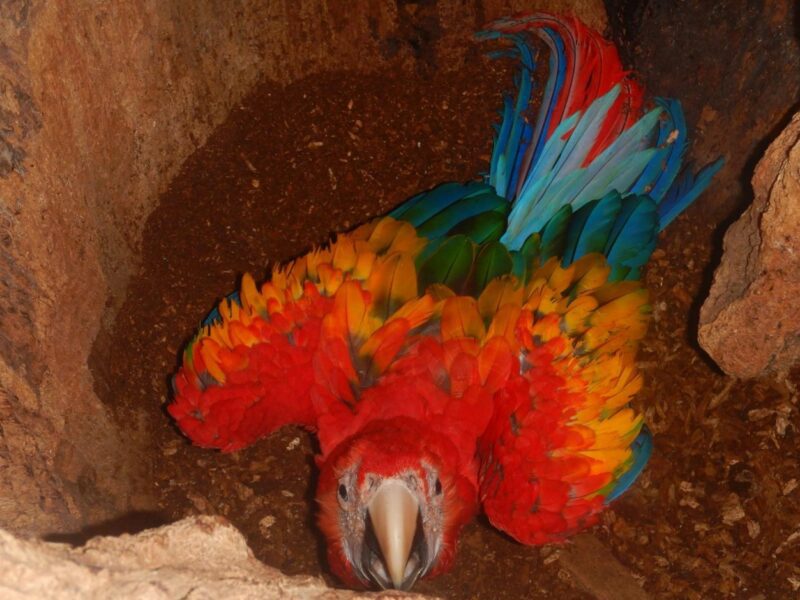
The Scarlet Macaw that thrives in the dense forests of Belize are among the most prized birds in the world. Their impossibly bright plumage of fiery reds, orange, blues and green give a visual hint of their raucous personalities. They thrive on interaction with humans and live for 75 years or more in captivity. All those traits explain why pet owners sometimes pay as much as 15-thousand U.S. dollars to own one. It is also why poachers invade their nesting grounds every year and threaten their survival.
Belize
Belize - Where's the Data?
|
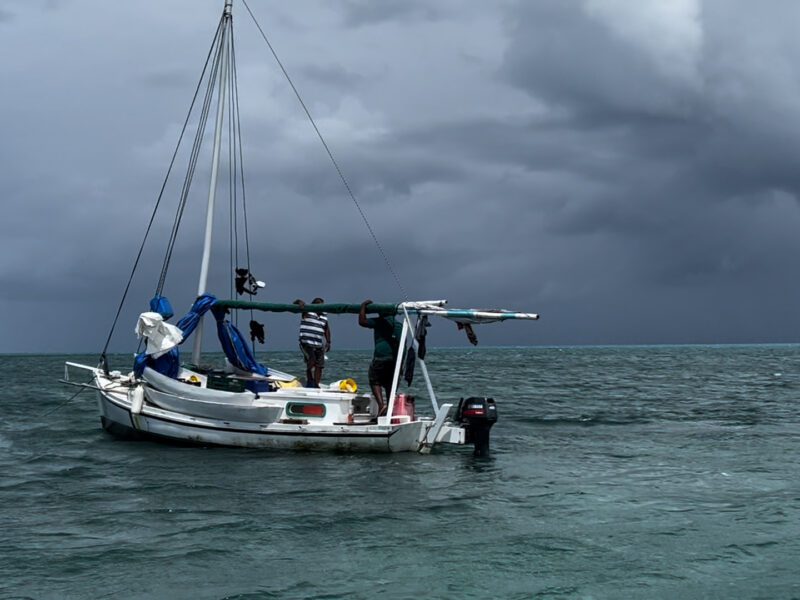
A lack of official data and opposing positions have made it difficult to ascertain the level of fish stock in Belize. In February, the Belize government, through the Ministry of Blue Economy and Fisheries Department, said that recent stock assessments indicate strong fish recruitment, stable populations, and consistent catches.
This, according to the government, proves that fisheries resources are sustainable. However, fishermen and non-governmental organisations such as the Belize Federation of Fishers (BFF) have raised an alarm.
The concerns raised by the BFF were highlighted during a recent workshop conducted in collaboration with scientists and local fisherfolk. These workshops revealed a significant decline in fish stocks, particularly conch, corroborating scientific findings with fisherfolk experiences.
The topics of discussion during this workshop included the overharvesting of juvenile fish and conch, hindering population recovery, adequate enforcement of fishing regulations, and illegal fishing by Guatemalan and Honduran fishers. https://youtu.be/ryIaMAvsRyQ
Nigel Martinez, Executive Director, BFF speaking of lack of fish data
The Fisheries Department said these statements were irresponsible and baseless and accused the BFF of ulterior motives.
Mounting Challenges to Caribbean Fisheries
|
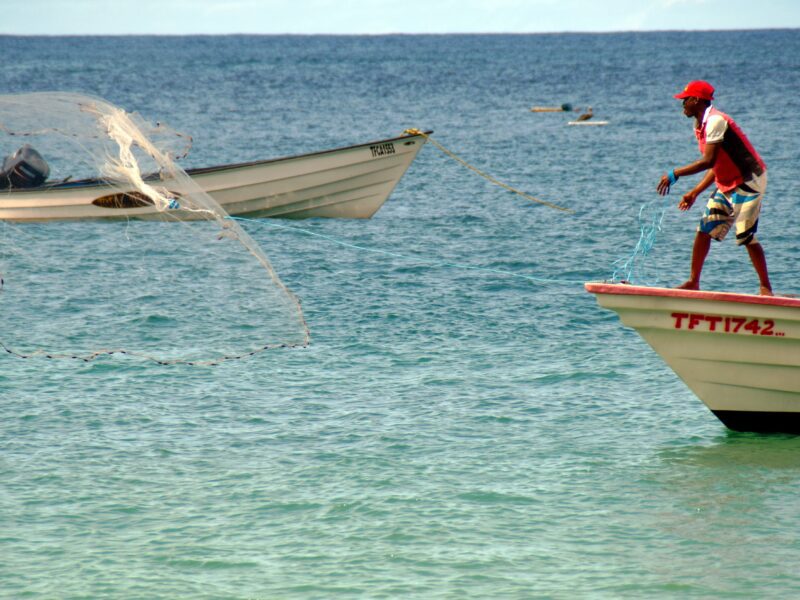
There are mixed official and industry messages in a selection of Caribbean countries, but CIJN investigations have unearthed, at minimum, signs that the regional fisheries sector is currently confronting a variety of potentially disastrous challenges – both natural and human. Over recent months, our team – comprising correspondents in Antigua and Barbuda, Barbados, Belize, St Vincent and the Grenadines, and Trinidad and Tobago – has scanned the regional seascape in search of data-supported evidence of a growing claim of perilous times ahead for the industry. In most instances, there has been a notable absence of available indigenous, official, statistics and an apparent unwillingness by authorities to publicly engage negative speculation regarding the fate of the fisheries sector. There have also been mixed verdicts from key stakeholders including fisherfolk and others involved in the value chain.